
1xBet App: Step-by-Step Installation and Updates
Most people who already have the 1xBet app on their phone eventually ask the same thing: how do I update it, and why isn't it updating itself? The short answer is that an APK installed outside Google Play lives by its own rules, and understanding those rules takes about ten minutes. This guide walks through the whole cycle — what the app actually does for you, where the file comes from, how installation works with Android's permissions, how updates behave, and what to do when something refuses to cooperate.
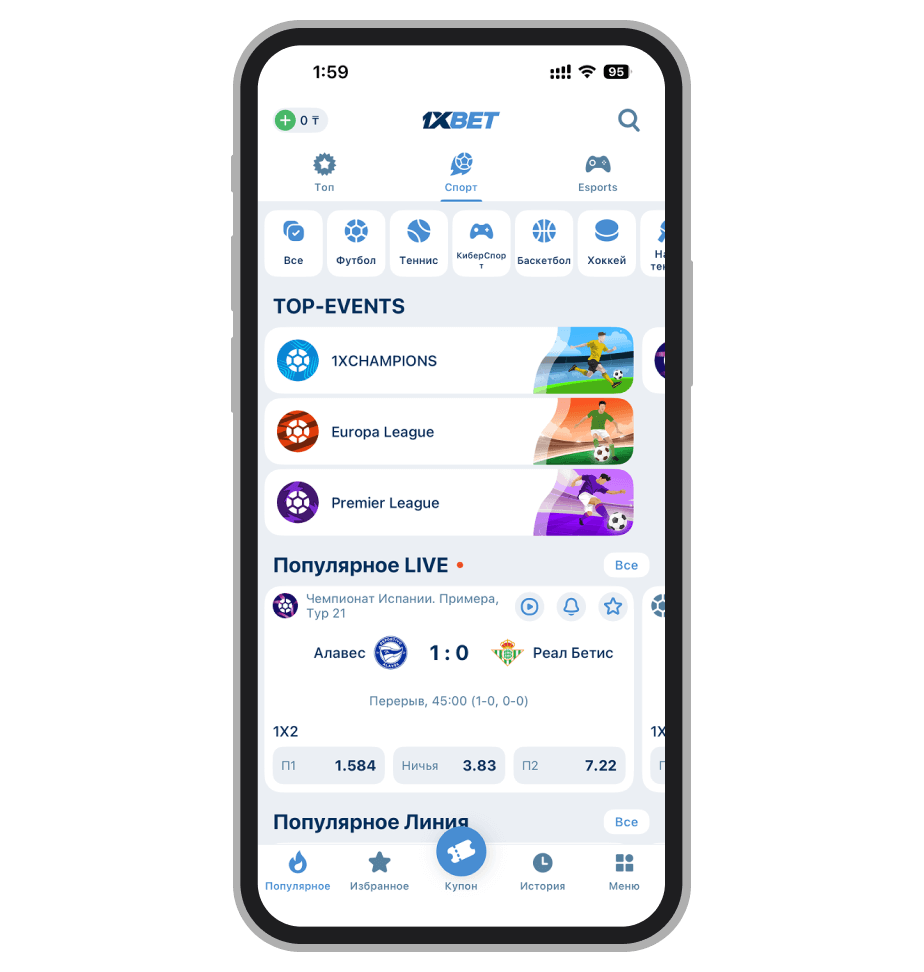
What You Actually Get on Your Phone
The 1xBet APK is the Android installation file for the bookmaker's native application — a self-contained package you download and install yourself rather than pulling from an app store. Once it sits on your device, it covers the same ground as the desktop site, compressed into a touch-friendly layout:
- Pre-match sports betting across a wide range of disciplines and markets
- Live betting with odds that shift as events unfold
- Casino sections, including slots and live-dealer tables
- Deposits, withdrawals and a transaction history tied to your account
- Profile settings, bet history and customer support access
The practical difference from the browser is persistence. The app keeps you logged in, loads faster on repeat visits, and can push notifications about matches or account activity. Exact sections and their arrangement depend on your region and the app release you're running, so two users may see slightly different menus.

Downloading the File the Right Way
Because the app is distributed as an APK, the download source matters more than usual. Anyone can rename a file, so the habit worth building is simple: fetch the installer from a page you deliberately navigated to, not from a link forwarded in a chat or found through a random search ad. A dedicated 1xBet app page like 1xbet apk free for android phone is the natural starting point for this.
Before pressing the download button, run through a quick mental checklist:
- Confirm the address bar shows the domain you intended to visit, with no extra words or hyphens slipped in.
- Check that the page loads over a secure connection.
- Make sure you're choosing the Android version of the file, not a desktop or other-platform build.
- Let the download finish completely before opening the file — a partial download is a common cause of failed installs.
The file lands in your Downloads folder like any other download, and from there the installation step begins.
Installation, One Step at a Time
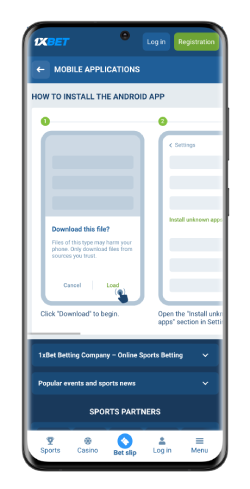
Android treats apps installed from outside its store as a controlled exception, so the first launch of the APK triggers a permission request. The flow looks like this:
- Open the downloaded file from your notification shade or a file manager.
- When Android blocks the install, follow the prompt to allow installations from that specific source — the browser or file manager you used, not a global switch.
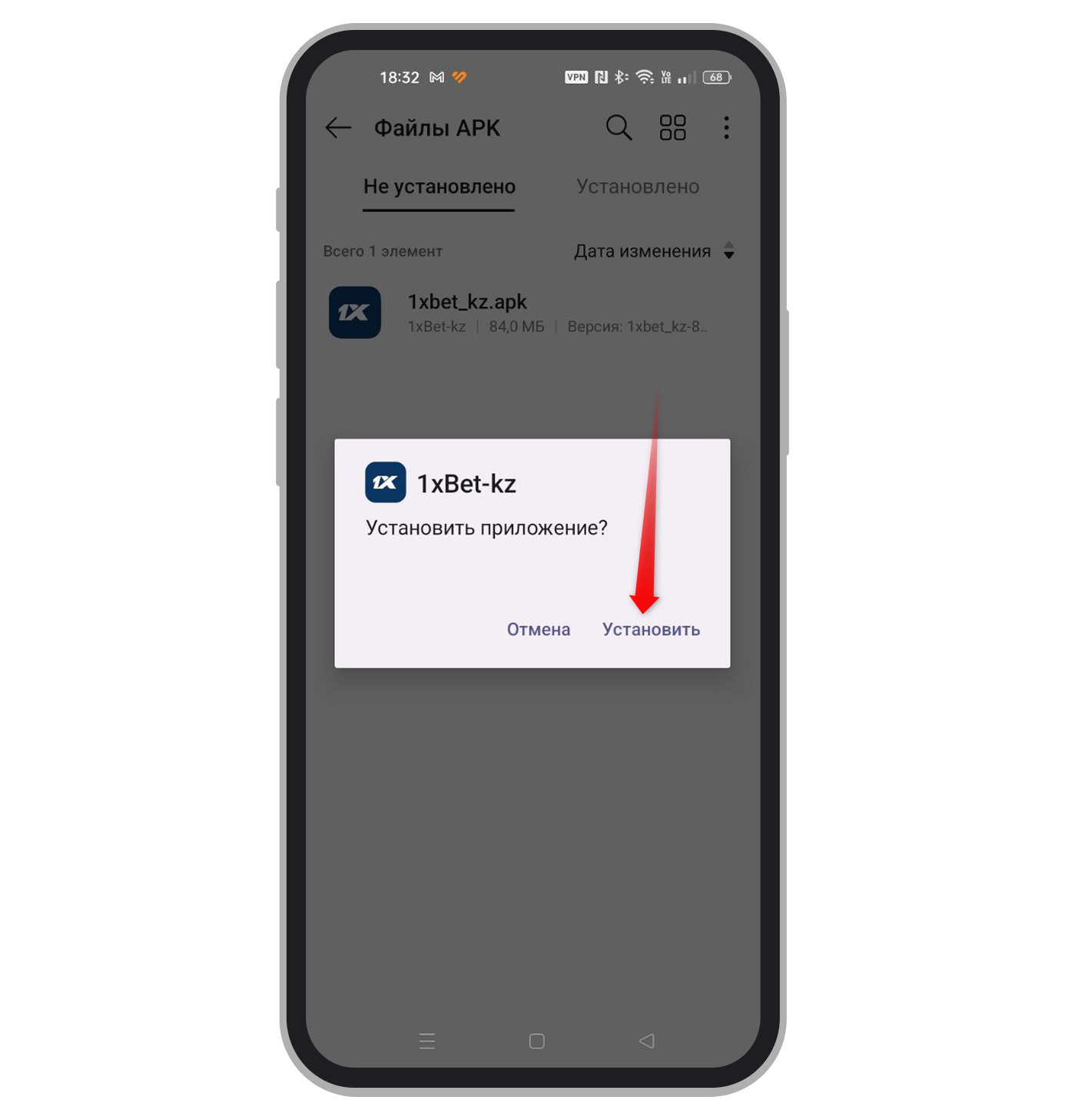
- Return to the file and select it again; the installer screen appears.
- Confirm, wait for the process to finish, then open the app and sign in or register.
Two details deserve attention. First, the unknown-sources permission in modern Android is granted per app-source, so approving it for your browser doesn't approve it everywhere. Second, once installation is done, you can revoke that permission in settings without affecting the app already installed — a tidy precaution worth taking. If you're looking for the installer itself, a 1xBet download page such as 1xbet apk free apk latest is where that file is typically offered.
Keeping the App Current
Updates are where APK-installed apps differ most from store-installed ones. There's no background mechanism refreshing the app for you, so new versions arrive the same way the original did: as a fresh APK file. Typically the app itself flags that an update exists, or you notice a newer build announced on the same page you downloaded from.
The usual update path is straightforward — download the newer APK and install it over the existing app. Android checks the signing certificate during this process; if the new file is signed by the same developer key, the update proceeds and your login and settings carry over. If the signatures don't match, the installation fails outright, which is Android protecting you from a tampered file masquerading as an update.
| Situation | What happens |
|---|---|
| Update signed by the same certificate | Installs over the old version; data usually preserved |
| Certificate mismatch | Installation blocked by Android |
| Uninstall before reinstalling | Local app data may be wiped; you'll log in again |
Uninstalling first is sometimes suggested as a fix, but treat it as a last resort rather than a default step.
When Installation or Updates Go Wrong
Most failures trace back to a handful of causes, and nearly all of them are fixable in a minute or two:
- "App not installed" error — often a corrupted or incomplete download; delete the file and fetch it again on a stable connection.
- Parse error message — the file may be damaged or incompatible with your Android version; re-download and confirm your system is reasonably up to date.
- Not enough storage — clear space before retrying; the installer needs room beyond the file's own size.
- Update refuses to install — a certificate mismatch; verify you downloaded from the same source as the original install.
- Permission prompt never appears — check that the source app (browser or file manager) is allowed to install unknown apps in your settings.
If none of these help, removing the app and reinstalling from scratch resolves most stubborn cases — just remember that local data tied to the app may go with it.

The App or the Mobile Site?
The browser version of 1xBet remains a fully workable alternative, and for some people it's the more sensible choice. Nothing needs installing, no permissions are involved, and updates happen on the server side — you always see the current version simply by loading the page. The trade-offs are real but modest: slightly slower repeat loading, no push notifications, and the need to sign in more often.
| Aspect | APK app | Mobile site |
|---|---|---|
| Setup | Download, permission, install | None — open the page |
| Updates | Manual, via new APK | Automatic on the server |
| Storage | Occupies device space | None beyond browser cache |
| Notifications | Supported | Not available |
Many users keep both: the app for daily use, the site as a fallback when an update misbehaves.

FAQ
Does the 1xBet mobile app update itself automatically?
No. Because it's installed as an APK rather than through an app store, updates arrive as new files you download and install manually. The app may notify you when a newer build exists, but the installation step is yours to complete.
Will updating delete my account or settings on a new phone?
Normally no. Installing a newer APK over the old one — when both are signed with the same certificate — preserves your login and preferences. Uninstalling the app first, however, can remove locally stored data, so update over the top whenever possible.
Why does Android say the update can't be installed?
The most common reason is a certificate mismatch: the new file isn't signed by the same key as the installed version. This usually means the file came from a different or unreliable source. Remove it and re-download from the page you originally used.
How safe is it to enable unknown-sources installation?
Android grants this permission per source app, not system-wide, and you can switch it off again right after installing. The risk lies in what you install, not the permission itself — so the real safeguard is choosing your download source carefully.
Should I really uninstall the old version before updating?
Only as a last resort. A direct over-the-top update is cleaner and keeps your data intact. Uninstalling makes sense when an install repeatedly fails for other reasons, but expect to sign in fresh afterwards.

